


Will Attorney
our practice areas
Wills Practice Areas
With years of experience, resources, and unparalleled experience, our estate planning law firm offers everything you need to create a top-tier, comprehensive legacy plan. Ready to secure your financial future? Schedule a free initial consultation with our law office today.
Wills
Mirror Wills are commonly used by married couples in Florida who want nearly identical estate plans that leave assets to each other and then to chosen beneficiaries. Our Florida Mirror Wills attorney drafts customized Mirror Wills that clearly outline asset distribution, guardianship designations, and executor appointments. We ensure your wills comply with Florida probate law, minimize confusion, and provide a coordinated plan that protects your spouse, children, and long-term legacy.
A Joint Will is a single legal document executed by two individuals, typically spouses, outlining how assets will be distributed. Because Joint Wills can create legal limitations and probate complications under Florida law, it is critical to work with an experienced Joint Will attorney. We evaluate whether a Joint Will aligns with your goals, explain potential risks, and ensure your estate plan provides flexibility, clarity, and protection for surviving family members.
Will contests and disputes can arise when family members question the validity of a Last Will and Testament. Hiring a contested will attorney in Florida is crucial when dealing with a contested will, whether you have questions about how to contest a will or another family member is contesting a will in which you have been named. Our Florida contested will attorney represents beneficiaries, heirs and personal representatives in probate litigation involving undue influence, lack of capacity, fraud, or improper execution. Whether you are contesting a will or defending one, we protect your rights, guide you through Florida probate court proceedings, and work to resolve disputes efficiently while safeguarding your inheritance.
A Last Will and Testament is the foundation of many Florida estate plans. This legal document directs how your assets are distributed, names a personal representative, and appoints guardians for minor children. Our Florida Last Will and Testament lawyer drafts legally sound wills that comply with Florida probate requirements, reduce the risk of challenges, and clearly reflect your wishes. Proper will planning ensures your estate is administered efficiently and your loved ones are protected.
A Living Will, also known as an advance directive in Florida, documents your end-of-life medical treatment preferences. Our Living Will attorney prepares legally binding Living Wills that clearly outline your wishes regarding life prolonging procedures, life support and medical interventions. We also coordinate your Living Will with your Health Care Surrogate designation to ensure consistency. With proper planning, you maintain control over critical healthcare decisions and reduce emotional burdens on your family.
A Pour Over Will works alongside a revocable living trust to ensure any assets not previously transferred into the trust are “poured over” into it upon your death. Our Florida Pour Over Wills attorney drafts Pour Over Wills that support comprehensive trust based estate plans and streamline the probate process. This structure helps ensure asset consolidation, consistent distribution terms, and greater protection for your beneficiaries under Florida law.
Do you know what will happen to your estate after you die? Will your loved ones and family members be provided for? Will all your hard work ultimately contribute to a lasting legacy?
These may seem like questions without answers, but the reality is that there’s an easy way to make sure your wishes are carried out: Write them in your will. After you’ve passed away, your will can serve as your mouthpiece, communicating how you’d like your estate to be managed, divided, and distributed — but only if it’s properly drafted and executed, preferably as part of a larger estate plan.
If you are unsure about how to move forward with creating your will, don’t worry — The Florida Estate Firm is here to help. This article will explain everything you need to know about will creation in Orlando, including how wills work, types of wills in Florida, the steps to establishing your will, and how our legal services can help.
contact us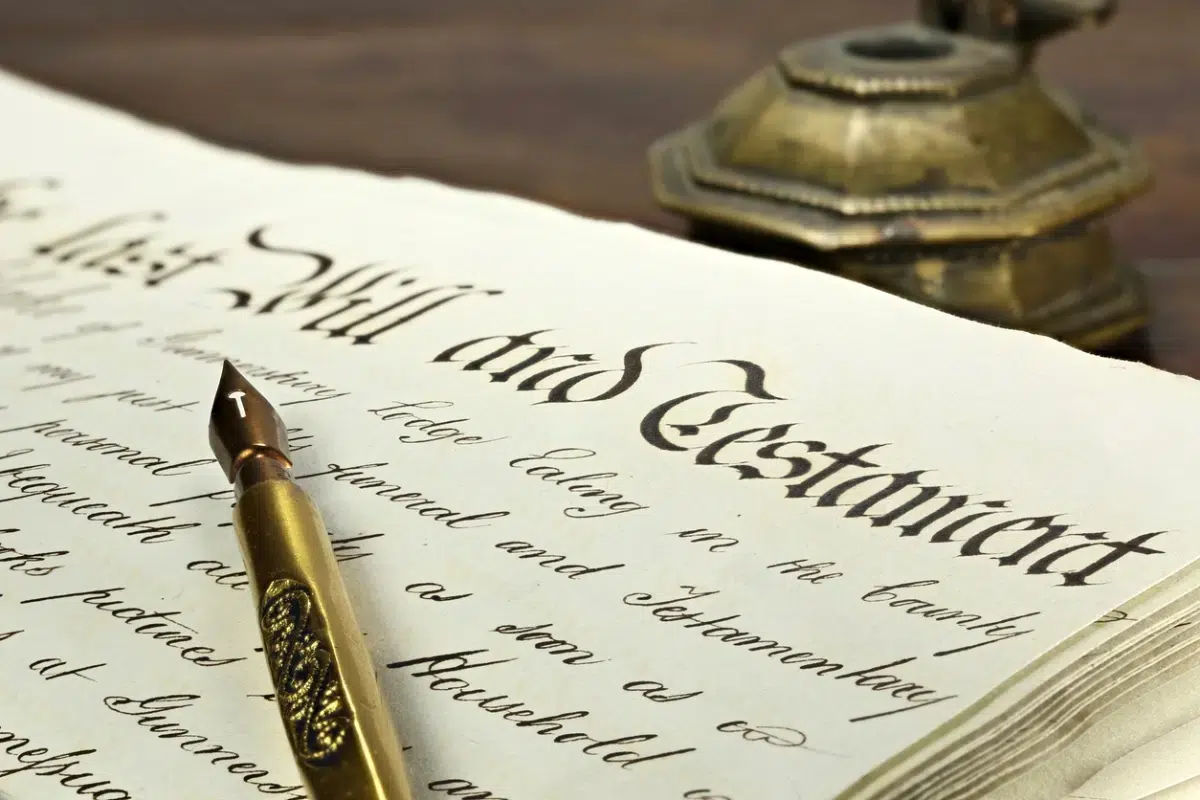
Understanding Wills
A will is a legal document that outlines how a person’s estate should be distributed upon their death. The will’s creator (the testator) also uses their will to specify beneficiaries and official appointments, including a personal representative (executor) and guardians for minor children, if necessary.
In the State of Florida, wills must meet specific requirements to be considered valid. These criteria include the following:
- The will must be in writing.
- The testator must sign the will.
- The will must be signed in the presence of at least two witnesses who must also sign the document.
- The testator must have the mental capacity to understand the nature of the will and its implications for their assets.
A will, also called a last will and testament, plays a critical role in ensuring that the testator’s wishes are honored after their death, providing clarity to the probate process. Rather than set in stone, a will can be amended through codicils, or revoked and replaced with a new will. If you have questions about this process, consult an experienced will attorney for legal advice.
How Does a Will Work?
When you’re ready to create a will, you will work with an experienced Orlando estate planning attorney to draft it and ensure it meets legal requirements outlined by Florida law. Your will should specify a number of things, including how assets should be distributed to beneficiaries, the personal representative, guardianship appointments (if applicable), and any other special needs and instructions.
However, the mere presence of your will does not complete the process. After you pass, your will goes through several key steps in the probate process before assets can be distributed, which is why it is helpful to work closely with a will attorney. Here’s how it works:
- Filing the will. After the testator’s death, the decedent’s (deceased person’s) will is filed with their county’s probate court.
- Validating the will. The court validates the will to make sure it meets legal requirements.
- Appointing the personal representative. The court appoints the named personal representative to administer the estate.
- Notifying creditors and beneficiaries. The personal representative notifies creditors and beneficiaries of the probate proceedings.
- Compiling an asset inventory. The personal representative conducts a comprehensive inventory of the estate’s assets and files it with the probate court.
- Paying debts and taxes. The personal representative pays outstanding debts, taxes, and expenses from the estate.
- Distributing assets. After the estate’s debts and taxes are settled, the personal representative distributes the remaining assets to named beneficiaries according to the will’s instructions.
- Final accounting. The personal representative submits a final accounting of the estate’s administration to submit to the court.
- Court approval. After the court reviews the final accounting and determines everything is in order, it approves the distribution of remaining assets.
- Closing the estate. Lastly, the court issues an order closing the estate, which concludes the personal representative’s duties.
Ultimately, the testator’s will provides a roadmap for how assets should be distributed, but the actual distribution of assets occurs at the end of the probate process. The best way to ensure that the process goes as smoothly as possible is by working with an experienced wills attorney in Orlando to draft the legal document.
The Different Types of Wills for Florida Estate Planning
The State of Florida recognizes more than one type of will. In fact, there are several types of wills, each of which serves its own purpose and has its own set of legal requirements. Here are a few of the most common types of wills used in Central Florida estate planning:
- Simple will. This is the most basic form of a will, serving two basic functions: outlining how assets should be distributed and naming a personal representative to administer the estate. It is ideal for individuals with relatively straightforward estates.
- Pour-over will. A pour-over will is designed to work alongside a trust. Essentially, it specifies that any assets not included in the trust at the time of the testator’s death should be transferred into the trust.
- Living will. Also known as an advance directive, a living will communicates an individual’s wishes regarding medical treatments and end-of-life health care, in the event they become incapacitated.
- Testamentary trust will. This type of will is used to establish a trust upon the testator’s death, including provisions for creating the trust and how the trustee should manage and distribute its assets.
- Joint will. This legal document is executed by two individuals, typically spouses, to outline the distribution of their combined assets after one or both members dies. Although useful for creating a unified estate plan, a joint will is relatively inflexible.
- Mutual will. Similarly, a mutual will is executed by two individuals, typically spouses, with identical or complementary terms, as well as with the understanding that neither party will change their will without the consent of the other.
It’s important to note that there are also several types of wills that Florida law does not recognize. These include holographic wills (which are handwritten and unwitnessed), and oral wills (which are spoken rather than written).
The Steps to Create a Will in Orlando, Florida
When you are ready to create a top-quality will that is legally compliant and works within the framework of your larger estate plan, an Orlando wills attorney can guide you through the process. Creating a will requires several key steps, including the following:
- Assessing your estate planning needs, including identifying and listing all of your assets and considering your larger estate planning goals
- Choosing an executor, or personal representative, who you can trust to administer your estate according to your wishes
- Deciding on beneficiaries, or, in other words, determining the family members, friends, charities, or organizations you want to inherit your assets
- Drafting your will, working with your attorney to outline asset distribution, specific bequests, guardianship appointments, designations, and more
- Signing the will in the presence of at least two witnesses who will also sign it, ensuring the witnesses are competent adults and present no conflicts of interest
- Notarizing the will with a notary public (optional) and including a self-proving affidavit
- Storing the will in a safe, secure place and informing your personal representative or trusted friends and family of its location
- Reviewing the will periodically to ensure it reflects any important life changes
Remember: Your will isn’t set in stone. In fact, most individuals benefit from reviewing it periodically to assess its relevance. When it’s time to make changes, a will attorney from The Florida Estate Firm can help you amend or replace this critical legal document.

The Florida Estate Firm: Top Orlando Will Attorneys
A professionally executed will is an essential component of estate planning — but it may not be enough to ensure your estate is managed, divided, and distributed according to your wishes. An experienced estate planning lawyer at The Florida Estate Firm can review your situation and help you navigate the best estate planning strategies for your distinct needs and goals. Take advantage of a free initial consultation to get started.
Orlando Will Attorney FAQs
Can I change or revoke my Florida will?
As long as you remain mentally competent, you can change or revoke your will as many times as you’d like. Your will attorney can help you draft a codicil (an amendment to a will) or create an entirely new will to replace the outdated version.
Why do I need an Orlando, FL, wills attorney?
Estate planning documents, including wills, are only valid when they meet the necessary legal requirements. Although you can attempt to create a will without a will attorney, you run the risk of making critical errors that leave it vulnerable to being invalidated or challenged. An Orlando wills attorney can help prevent disputes and challenges by making sure your will is properly drafted and complies with Florida laws.
What if I die without a valid will?
Dying without a will is also called dying intestate. When this happens, an estate is distributed according to Florida’s intestacy laws, which is a complex, time-consuming process that rarely accounts for the intricacies of your situation, wishes, or family dynamics. Having a valid will is essential to avoiding unnecessary disputes among heirs and ensuring your wishes are respected.
The contents of this article are not comprehensive, they provide only a general overview of the subject matter discussed. This article does not establish a client-attorney relationship with the reader, and no legal decisions should be made based on the article’s contents. Because every legal matter arises under unique facts specific to the client, no legal decision should be made without consulting a licensed attorney.
Get In Touch
We’re here to answer all of your questions. Feel free to give us a call, or fill out the form to the right and we will get in touch with you soon.

Phone Number